
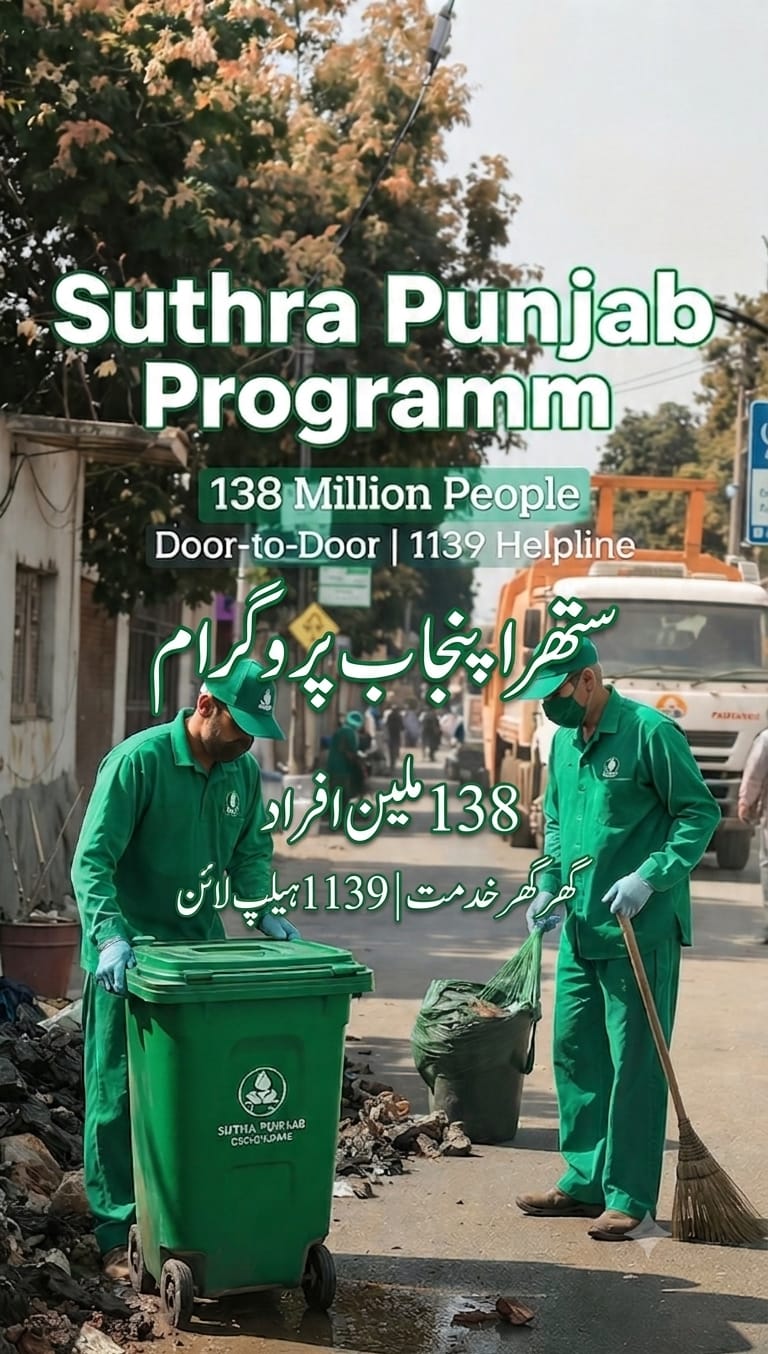
Suthra Punjab Programme 2026: Revolutionizing Province-Wide Waste Management and Cleanliness
Introduction to Suthra Punjab Programme 2026
The Suthra Punjab Programme 2026 is Pakistan’s largest integrated sanitation initiative, launched by the Government of Punjab under the leadership of Chief Minister Maryam Nawaz Sharif. Designed to transform public hygiene, urban aesthetics, and solid waste management across all 36 districts of the province, the programme serves over 138 million residents. Rapid urbanization and population growth have historically put enormous pressure on municipal solid waste systems. To address these environmental and public health challenges, the Suthra Punjab Programme shifts waste management from temporary cleanup drives to a permanent, digitally monitored public service operating in both urban centers and rural union councils.
Also Read:
Punjab Wheat Silo Project 2026: Modernizing Grain Storage to Safeguard Pakistan’s Food Supply
Objectives of the Suthra Punjab Programme 2026
The primary objective of the initiative is to establish a unified, sustainable cleanliness infrastructure across Punjab. Key goals include:
-
Eliminating Open Garbage Dumps: Achieving zero visible waste in public spaces, streets, commercial hubs, and residential neighborhoods.
-
Modernizing Sanitation Infrastructure: Deploying specialized waste collection vehicles, mini-dumpers, and mechanized street sweepers tailored to urban and rural topographies.
-
Protecting Public Health: Reducing the spread of vector-borne and waterborne diseases by keeping drains cleared and eliminating stagnant waste.
-
Promoting Environmental Sustainability: Transitioning toward a circular economy through waste segregation, recycling, composting, and landfill diversion.
-
Fostering Civic Engagement: Empowering citizens to monitor and report local sanitation issues using real-time digital channels.
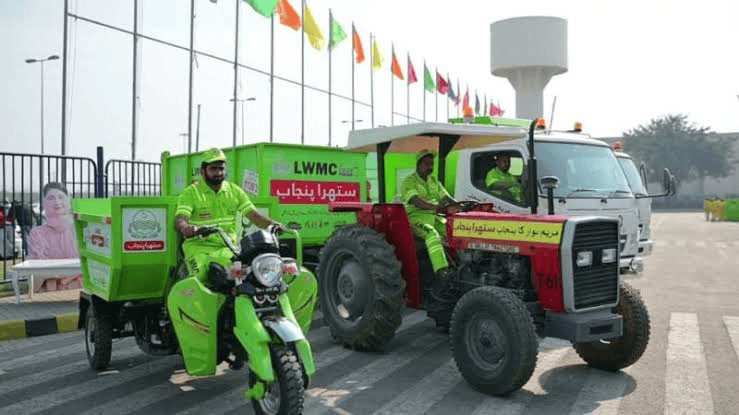
Core Pillars & Key Features
           ┌─────────────────────────────────────────┐
           │     Suthra Punjab Operational Core      │
           └────────────────────┬────────────────────┘
                                │
   ┌────────────────────────────┼────────────────────────────┐
   │                            │                            │
▼  ▼                         ▼  ▼                         ▼  ▼
┌─────────────────────────┐  ┌─────────────────────────┐  ┌─────────────────────────┐
│  Universal Coverage     │  │ Tech & Digital Tracking │  │  Waste-to-Value Model   │
│ • Urban & Rural Reach   │  │ • Real-time GPS & AI    │  │ • Compost & Refuse Fuel │
│ • Door-to-Door Service  │  │ • App & Helpline 1139   │  │ • Landfill Diversion    │
└─────────────────────────┘  └─────────────────────────┘  └─────────────────────────┘
1. Universal Door-to-Door Collection
Operating across 36 districts, 141 tehsils, and over 229 local municipal authorities, the program provides scheduled residential and commercial waste pickup. Sanitation staff utilize standardized beat plans to guarantee consistent coverage.
2. Digital Oversight and Tech Integration
In partnership with the Punjab Information Technology Board (PITB), operations are monitored live:
-
GPS Fleet Tracking: Ensures waste trucks stick to pre-assigned routes without skipping areas.
-
Geo-Tagged Worker Attendance: Verifies field staff presence and completion of tasks via facial recognition and location verification.
-
Public Complaints Dashboard: Tracks citizen requests from submission to resolution.
3. Circular Economy & Waste-to-Value
To minimize environmental impact, solid waste is processed using modern facilities:
-
Material Recovery Facilities (MRFs): Sort recyclables for industrial reuse.
-
Composting & RDF: Converts organic waste into agricultural compost and industrial Refuse-Derived Fuel (RDF).
-
Sanitary Landfills: Replaces open dumpsites with engineered disposal sites.
Key Program Specifications
| Operational Parameter | Details & Metrics |
| Population Served | ~138 Million Residents |
| Geographic Reach | All 36 Districts (Urban & Rural Union Councils) |
| Executing Bodies | Local Government & Community Development (LG&CD) Dept, WMCs |
| Target Landfill Diversion | Up to 60–75% diverted from open dumping |
| Public Helpline | 1139 |
| Mobile Application | Suthra Punjab Shehri (Available on Google Play Store) |
How the Programme Operates
The Suthra Punjab Programme 2026 functions through close coordination between district administration, municipal waste management companies (WMCs), private service providers, and local communities.
-
Collection: Sanitation workers collect household and commercial waste directly or from designated community containers.
-
Transfer: Waste is moved to urban transfer stations using compactors and mini-dumpers.
-
Processing: Recyclable materials and organic waste are separated at recovery facilities.
-
Final Disposal: Remaining residual waste is transported to engineered sanitary landfills.
Who Benefits from the Initiative?
-
Urban & Rural Residents: Enjoy cleaner neighborhoods, healthier air, and lower disease risk.
-
Local Businesses & Markets: Benefit from well-maintained, hygienic commercial areas.
-
Educational & Healthcare Institutions: Experience cleaner surrounding public spaces.
-
Municipal Authorities: Gain modernized equipment, digital monitoring tools, and streamlined workflows.
Frequently Asked Questions (FAQs)
-
What is the primary goal of the Suthra Punjab Programme 2026?
It aims to establish a unified waste management system that guarantees zero visible waste, modern disposal, and regular cleaning across every district in Punjab.
-
Who launched and oversees the initiative?
The programme was launched by the Government of Punjab under Chief Minister Maryam Nawaz Sharif and is executed by the Local Government and Community Development (LG&CD) Department.
-
Does the programme cover rural areas as well as major cities?
Yes. Unlike older urban-centric schemes, Suthra Punjab extends sanitation and waste collection services to rural union councils and smaller tehsils.
-
How do citizens file a cleanup complaint or request service?
Residents can register complaints by calling the official helpline 1139, logging into the online portal, or using the Suthra Punjab Shehri app.
-
How does the government monitor sanitation workers and machinery?
Garbage trucks are tracked via real-time GPS units, and field staff check in using geo-tagged facial recognition software powered by PITB.
-
What is the “Waste-to-Value” approach used in the programme?
It involves recycling plastics, converting organic waste into agricultural fertilizer (compost), and turning refuse into fuel (RDF) to reduce landfill usage.
-
How do I check my sanitation bill online?
You can verify and view your sanitation bill online by entering your 20-digit PSID on the official Suthra Punjab web portal.
-
Is online registration required to get waste collection service?
No. Solid waste collection is provided as an automatic public municipal service across covered residential zones.
-
How does the initiative help prevent urban flooding?
Routine desilting of stormwater drains and removal of solid waste blockages are built into daily operational routines, preventing clogged drains during rains.
-
Where can I access official updates and downloads?
Official updates, portal access, and the mobile app link are available via the main Government of Punjab and LG&CD department websites.
Conclusion & Official Disclaimer
Conclusion
The Suthra Punjab Programme 2026 represents a major leap forward in civic administration and environmental stewardship in Pakistan. By pairing digital fleet tracking and modern workforce management with citizen engagement and sustainable recycling models, the initiative paves the way for a cleaner, greener, and healthier Punjab.
Official Disclaimer: This publication is provided for informational and educational purposes only. Operational policies, service schedules, and portal features may be updated by municipal authorities over time. For official bill payments, complaint tracking, or corporate service inquiries, please visit the government’s official portals or dial helpline 1139.
Published By: Pak Schemes Team
Date: 21 July 2026
Topic: Suthra Punjab Programme 2026