
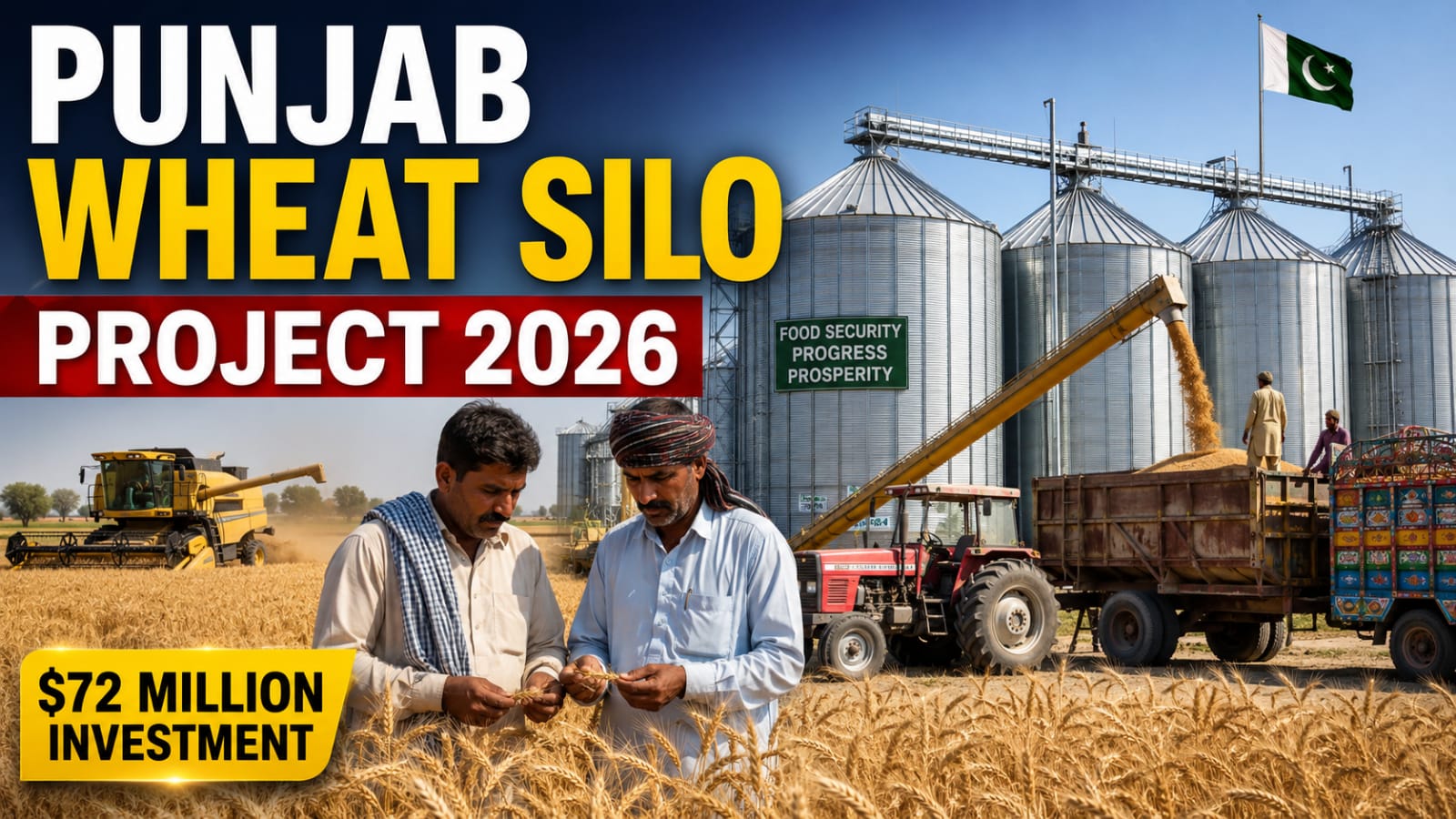
Punjab Wheat Silo Project 2026: Modernizing Grain Storage to Safeguard Pakistan’s Food Supply
Introduction to Punjab Wheat Silo Project 2026
Pakistan’s agricultural sector is undergoing a major structural upgrade with the rollout of the Punjab Wheat Silo Project 2026. Backed by an estimated investment of $72 million (PKR 20 billion), this public-private partnership (PPP) initiative aims to replace fragile, traditional grain storage methods with climate-controlled steel silos across key districts in Punjab.
As the nation’s agricultural heartland, Punjab produces the majority of Pakistan’s staple wheat supply. However, outdated handling methods, open-air storage, and pest damage historically cost the province millions of tons in avoidable crop destruction each season. The Punjab Wheat Silo Project 2026 addresses these supply chain vulnerabilities by improving storage infrastructure, reducing grain losses, stabilizing market prices, and strengthening food security across the province.
Also Read:
Honhaar Scholarship Programme 2026: Complete Eligibility, Benefits & Application Guide
Core Objectives of Punjab Wheat Silo Project 2026
The project is designed to improve Pakistan’s wheat storage system through modern infrastructure and efficient grain management. The initiative focuses on several strategic objectives.
Reduce Post-Harvest Wheat Losses
One of the primary objectives is to significantly reduce post-harvest wheat losses caused by moisture, mold, insects, rodents, and poor storage conditions. Modern steel silos are expected to protect millions of metric tons of wheat every year.
Bridge Pakistan’s Wheat Storage Capacity Gap
Pakistan currently faces a significant shortage of modern wheat storage facilities. The Punjab Wheat Silo Project 2026 aims to expand storage capacity and help bridge the country’s estimated grain storage deficit.
Strengthen Food Security
By preserving wheat for longer periods, the project will help maintain strategic food reserves, ensuring a stable wheat supply during emergencies, natural disasters, and seasonal shortages.
Boost the Agricultural Economy
Reducing crop wastage will increase the value of agricultural production, improve supply chain efficiency, and contribute to Pakistan’s economic growth.
Why Modern Steel Silos Are Essential for Food Security
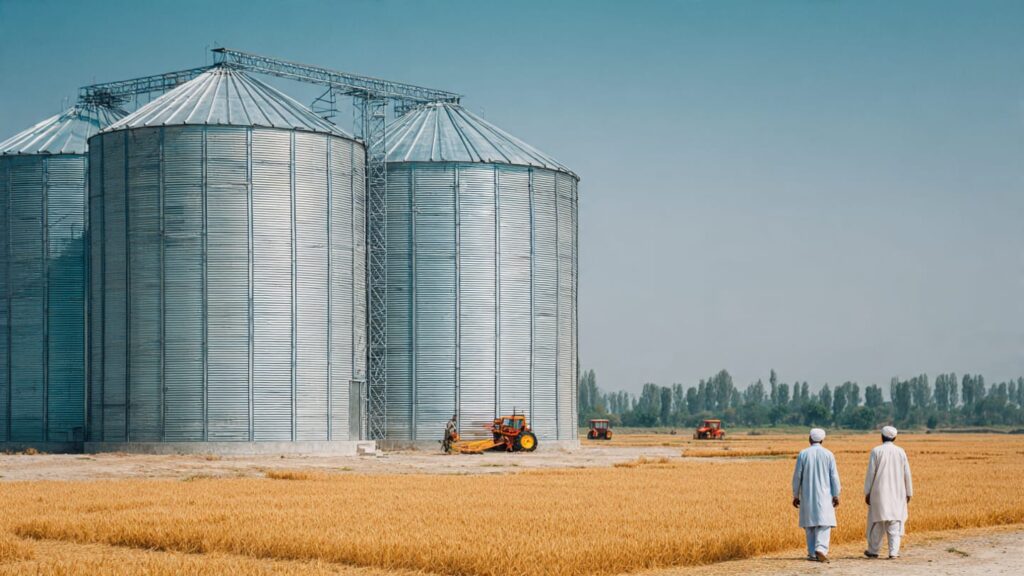
Traditional grain storage methods expose harvested wheat to rainfall, humidity, insects, rodents, and fungal diseases. Modern steel silos provide a safer and more efficient solution for preserving grain quality.
Automated Temperature Control
Steel silos use advanced ventilation systems to regulate internal temperatures and prevent heat buildup that can damage stored wheat.
Humidity Management
Moisture sensors help maintain ideal humidity levels, preventing mold growth and preserving grain quality for longer periods.
Improved Pest Protection
The sealed design of modern silos minimizes pest infestations and reduces reliance on chemical fumigation.
Long-Term Grain Storage
Steel silos allow wheat to remain in excellent condition for extended periods without significant quality deterioration.
Key Takeaway: Modern grain silos convert seasonal harvests into secure food reserves, helping Pakistan reduce grain losses and improve long-term food security.
Benefits of Punjab Wheat Silo Project 2026 for Farmers
The project offers several direct advantages for wheat growers throughout Punjab.
Reducing Distress Sales
Without adequate storage facilities, many farmers are forced to sell wheat immediately after harvest at lower prices. Modern silos allow them to store grain safely until market prices improve.
Higher Farmer Income
Better storage gives farmers greater flexibility in choosing when to sell their crops, helping them maximize profits.
Improved Grain Quality
Proper storage protects wheat from spoilage, ensuring higher-quality grain that attracts better prices in the market.
How Punjab Wheat Silo Project 2026 Benefits Consumers
Consumers also stand to gain from improved wheat storage infrastructure.
Stable Wheat Supply
Strategic wheat reserves help ensure a consistent supply throughout the year.
Reduced Flour Price Fluctuations
By preventing shortages, the government can better manage wheat releases and reduce sudden increases in flour (atta) prices.
Enhanced National Food Security
Reliable storage infrastructure strengthens Pakistan’s ability to maintain food availability during emergencies and adverse weather conditions.
Public-Private Partnership (PPP) Structure
The project is being implemented through a Public-Private Partnership (PPP) model that combines government oversight with private-sector expertise.
Government Responsibilities
- Policy formulation and regulation
- Land allocation
- Stock monitoring
- Price stabilization
- Project supervision
Private Sector Responsibilities
- Investment and financing
- Construction of steel silos
- Technology integration
- Operations and maintenance
- Facility management
Features of Modern Wheat Silos
The Punjab Wheat Silo Project 2026 includes advanced storage technologies such as:
- Automated aeration systems
- Digital temperature monitoring
- Humidity control systems
- Pest-resistant steel structures
- Computerized stock management
- Long-term grain preservation technology
Economic Impact of Punjab Wheat Silo Project 2026
Modern wheat storage is expected to generate significant economic benefits by reducing post-harvest losses and improving grain quality.
Key expected outcomes include:
- Lower wheat wastage
- Improved supply chain efficiency
- Better returns for farmers
- Stronger agricultural infrastructure
- Enhanced national food security
- Increased economic productivity
Frequently Asked Questions (FAQs)
1. What is the Punjab Wheat Silo Project 2026?
It is a PKR 20 billion ($72 million) public-private partnership project designed to build modern steel grain silos across Punjab.
2. What is the main objective of the project?
The primary objective is to modernize wheat storage, reduce post-harvest losses, and strengthen Pakistan’s food security.
3. How will the project benefit farmers?
Farmers will have access to safe storage facilities, allowing them to avoid distress sales and obtain better market prices.
4. Will the project help reduce flour prices?
Improved wheat storage can help stabilize wheat supplies, which may contribute to more stable flour prices.
5. What technologies are used in the steel silos?
The silos include automated ventilation, temperature monitoring, humidity control, and pest-resistant storage systems.
6. Who is managing the project?
The project is managed by the Government of Punjab, the Punjab Public Private Partnership Authority (P4A), and private-sector partners.
7. Why does Pakistan need modern wheat silos?
Modern silos reduce grain losses, improve food security, and strengthen the agricultural supply chain.
8. What are the economic benefits?
The project is expected to reduce wastage, improve storage efficiency, and increase the value of agricultural production.
9. Where will the silos be constructed?
Modern wheat silos will be developed in selected districts across Punjab under the implementation plan.
10. Where can I find official updates?
Official announcements are available through the Government of Punjab, P4A, and the Agriculture Department Punjab.
Official Website Links
- Government of the Punjab Official Portal: https://punjab.gov.pk/
- Punjab Public Private Partnership Authority (P4A): https://p4a.punjab.gov.pk/
- Agriculture Department Punjab: https://agripunjab.gov.pk/
Conclusion
The Punjab Wheat Silo Project 2026 is a major investment in Pakistan’s agricultural future. By replacing outdated storage methods with modern steel silos, the project aims to reduce wheat losses, improve food security, support farmers, and create a more efficient grain supply chain. As the project progresses, it is expected to strengthen Punjab’s agricultural infrastructure and contribute to long-term economic development.
Disclaimer
This article is for informational purposes only and is based on publicly available information and official government announcements. Project timelines, funding, implementation details, and technical specifications may change as new updates are released by the relevant authorities.
Published By: Pak Schemes Team
Date: 21 July 2026
Topic:Punjab Wheat Silo Project 202