
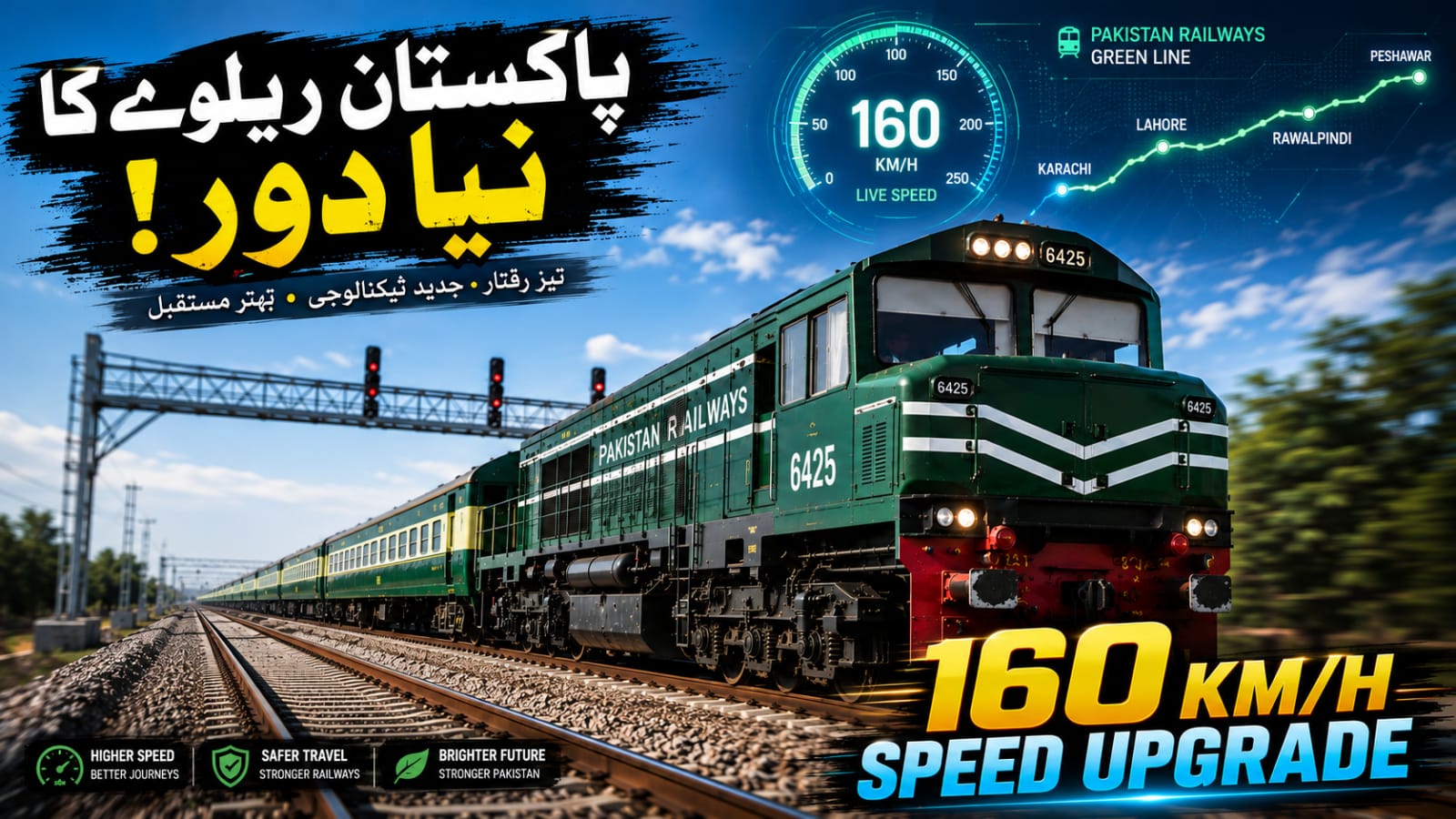
Pakistan Railways Transformation Plan 2026: Accelerating Railway Modernization & Regional Trade
Pakistan Railways is undergoing one of the most comprehensive structural overhauls in its history. Driven by strategic economic and geopolitical objectives, the federal government has accelerated the Pakistan Railways Transformation Plan 2026. This ambitious initiative aims to repurpose the nation’s legacy rail network into a modern, safe, revenue-generating, and digitally integrated logistics hub.
By addressing decades of aging infrastructure, slow transit times, and outdated signaling systems, the plan aims to position Pakistan as a vital trade conduit connecting South Asia, Central Asia, and the Middle East while delivering world-class services to millions of daily passengers.
[ Karachi Ports ] <======== ML-1 Upgrades ========> [ Lahore / Rawalpindi / Peshawar ]
                                                            |
                                                     [ ML-3 Corridor ]
                                                            |
                                                            v
                                            [ Taftan / Nok Kundi (Iran Border) ]
Also Read:
CM Free Solar Panel Scheme 2025 Pakistan – Complete Guide
Strategic Vision: Building a Regional Logistics & Transport Hub
Railways remain the most cost-effective and energy-efficient mode of transport for bulk freight and high-volume passenger travel. Modernizing the national rail network reduces supply chain costs for local businesses, cuts highway traffic congestion, and significantly lowers national fuel import bills.
The transformation framework relies on four primary operational pillars:
-
Major Infrastructure Upgrades: Strengthening track capacity, replacing aged bridges, and upgrading signaling systems across strategic trade corridors.
-
Freight & Revenue Diversification: Shifting organizational focus toward high-yield cargo transit to drive financial self-sustainability.
-
Digital & Smart Governance: Integrating real-time tracking, fiber optic networks, and modern command centers.
-
Public-Private Partnerships (PPP): Outsourcing non-core facilities and commercializing station land assets.
Strategic Infrastructure & Regional Connectivity Projects
1. Main Line-1 (ML-1) Overhaul
The ML-1 corridor connecting Karachi to Peshawar forms the backbone of Pakistan’s trade network. Key enhancements include:
-
Engineering & Segment Execution: Detailed designs for priority segments like Karachi–Rohri and Rohri–Multan to eliminate critical freight bottlenecks.
-
Speed & Capacity Boosts: Upgrading tracks to support train speeds of up to 120–160 km/h, dramatically reducing passenger and freight travel times.
2. Main Line-3 (ML-3) & Cross-Border Logistics
Connecting Pakistan westwards toward Iran and Central Asia, ML-3 plays a crucial role in regional trade integration.
-
Rohri–Nok Kundi Segment: Upgraded through the Public Sector Development Programme (PSDP) and targeted bridge financing.
-
Landlocked Access: Providing neighboring countries with direct, reliable rail routes to Arabian Sea ports (Karachi, Port Qasim, and Gwadar).
3. Thar Coal Rail Link
Linking the Thar Coalfields directly to the primary rail network involves a dedicated 112 km track connecting Thar Coal to Chhor. This enables the efficient, domestic transport of coal to power plants nationwide, cutting foreign energy reliance.
Digital Transformation & Passenger Reforms
Beyond physical tracks, the Pakistan Railways Transformation Plan 2026 introduces end-to-end digital and passenger-centric upgrades:
-
Smart Operations & Tracking: Implementing GPS tracking, modern command and control centers, and high-speed communication networks to ensure on-time scheduling and safety monitoring.
-
Digital Passenger Services: The official Rabta mobile application offers instant online ticketing, schedule tracking, seat selection, and digital payment integration.
-
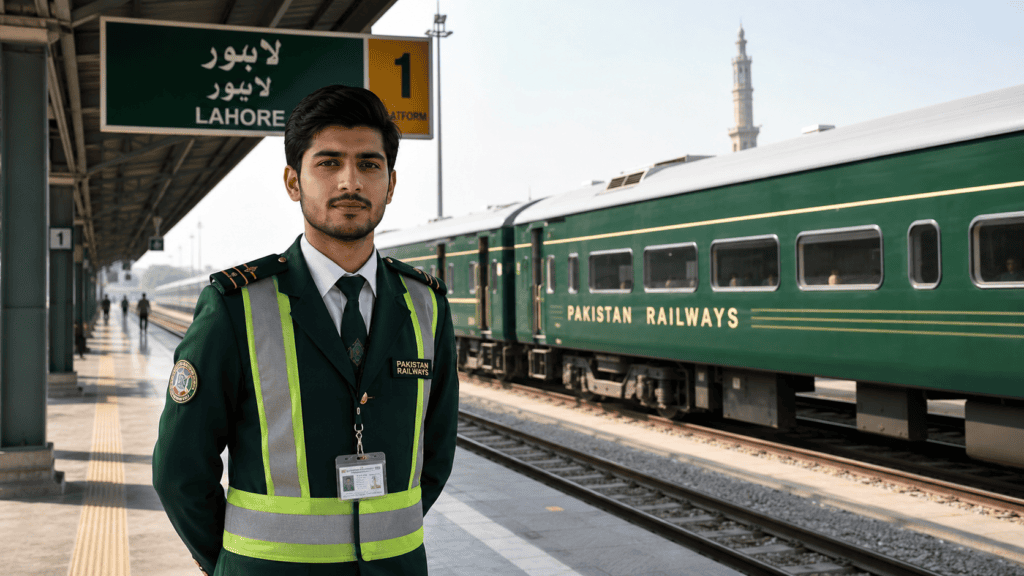
Station Commercialization & Smart Upgrades: Stations such as Rawalpindi, Lahore, Multan, and Karachi are receiving upgraded waiting areas, improved security surveillance, automated ticketing kiosks, and retail spaces developed via public-private partnerships.
-
Outsourcing Non-Core Assets: Non-core facilities—including railway-operated schools and hospitals—are being managed by specialized private partners, allowing Pakistan Railways to focus on core operations.
Traditional Model vs. Transformation Plan 2026
| Feature | Legacy Railways Model | Transformation Plan 2026 |
| Primary Revenue Source | Passenger Ticket Sales | High-Yield Freight & Commercial Asset Leasing |
| Average Track Speeds | 60–80 km/h | 120–160 km/h (Targeted Corridor Upgrades) |
| Freight Connectivity | Basic industrial sidings | Direct port-to-border multimodal integration |
| Digital Integration | Manual scheduling & physical tickets | GPS tracking, smart command centers, Rabta app |
| Station Ecosystem | Standard waiting rooms | Smart commercial centers with retail & hospitality |
Economic Outlook & Key Challenges
If executed on schedule, the modernization plan will generate thousands of technical jobs, lower business logistics costs, and improve regional trade volume. However, sustained success requires:
-
Consistent financial backing and timely release of PSDP funds.
-
Strict project timeline enforcement and international consulting oversight.
-
Regular track and locomotive maintenance schedules.
Frequently Asked Questions (FAQs)
1. What is the Pakistan Railways Transformation Plan 2026?
It is a comprehensive government initiative designed to modernize railway infrastructure, increase freight capacity, digitize operations, and convert Pakistan Railways into a profitable transit hub.
2. Why is the ML-1 project critical to this plan?
ML-1 connects major economic centers from Karachi to Peshawar. Upgrading it increases train speeds, enhances safety, and lowers national freight costs.
3. How does the ML-3 corridor assist international trade?
ML-3 extends westward toward the Iranian border (Taftan/Nok Kundi), offering Central Asian and Middle Eastern trade routes direct rail access to Pakistani ports.
4. What is the Thar Coal Rail Connectivity Project?
It is a 112 km rail line connecting Thar Coalfields to the Chhor railway station, allowing domestic coal to be moved efficiently to thermal power plants across Pakistan.
5. What digital upgrades are being introduced for train management?
Digital upgrades include train GPS tracking, fiber communication networks, digital command centers, and smart monitoring systems to prevent delays and improve safety.
6. How can passengers book tickets online?
Passengers can book tickets, check live train schedules, and manage seat reservations using the official Pakistan Railways portal or the Rabta mobile application.
7. How are major railway stations being modernized?
High-traffic stations are being upgraded with smart security surveillance, modernized passenger lounges, automated ticketing, and commercial retail centers through PPP models.
8. How will the transformation plan increase railway revenue?
Revenue will grow by prioritizing heavy freight cargo, commercializing railway land assets, and partnering with private operators for station management.
9. How does modernizing railways benefit the overall national economy?
Rail transport is significantly cheaper per ton-kilometer than road transit, which cuts national fuel import bills, reduces road damage, and lowers logistics costs for industries.
10. Where can official updates be verified?
Official updates, tender notifications, and train schedules are available on the official websites of Pakistan Railways and the Ministry of Railways.
Official Website & Resource Links
For official train schedules, ticket bookings, freight inquiries, and updates, visit the official government portals:
-
Pakistan Railways Portal: https://www.pakrail.gov.pk/
-
Ministry of Railways Pakistan: https://railways.gov.pk/
Conclusion & Disclaimer
Conclusion
The Pakistan Railways Transformation Plan 2026 marks a turning point for national infrastructure and regional economic integration. By pairing major track construction (ML-1, ML-3, Thar Coal Link) with digital tools like GPS tracking and the Rabta app, Pakistan is paving the way toward a safer, faster, and commercially sustainable railway network.
Disclaimer
This article is provided for educational and informational purposes based on public government policy announcements and official project disclosures. Execution timelines, project allocations, and operational details remain subject to change based on official Ministry revisions and administrative decisions.
Published By: Pak Schemes Team
Date: 21 July 2026
Topic: Pakistan Railways Modernization Project
Focus Keywords: ML-1, High-Speed Rail, GPS Tracking, Rabta App, Railway Upgrades